In the Media
Voices of the Road
Monday July 6th, 2026
The Voices of the Road project brings together indigenous leaders to strengthen the participation of indigenous peoples in the Bioceanic Corridor
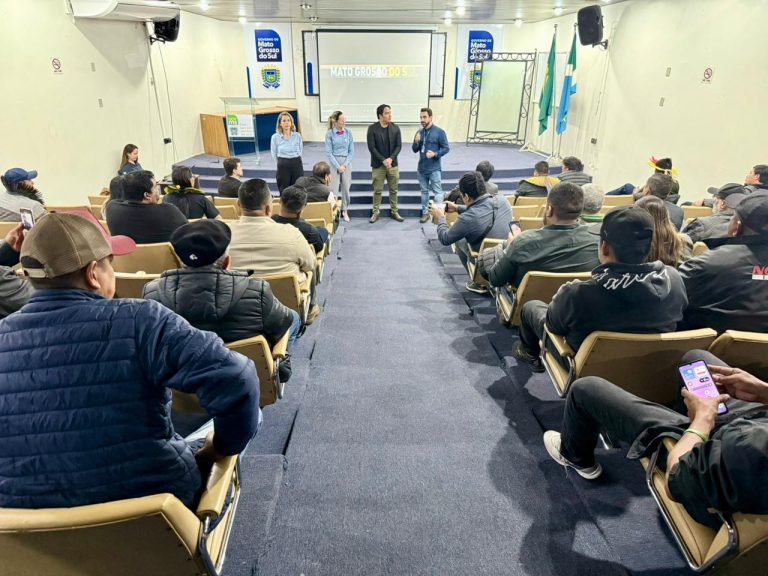
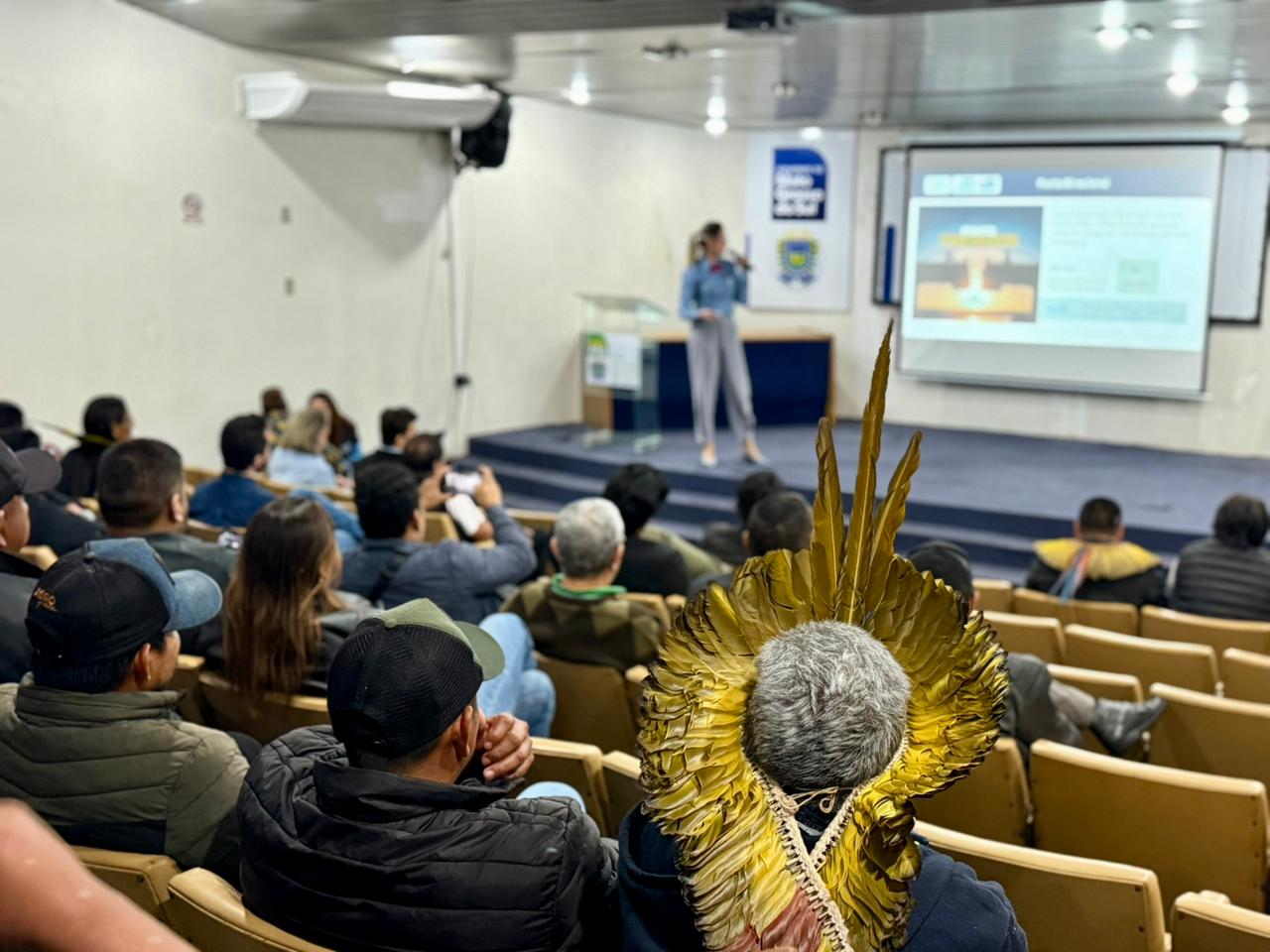
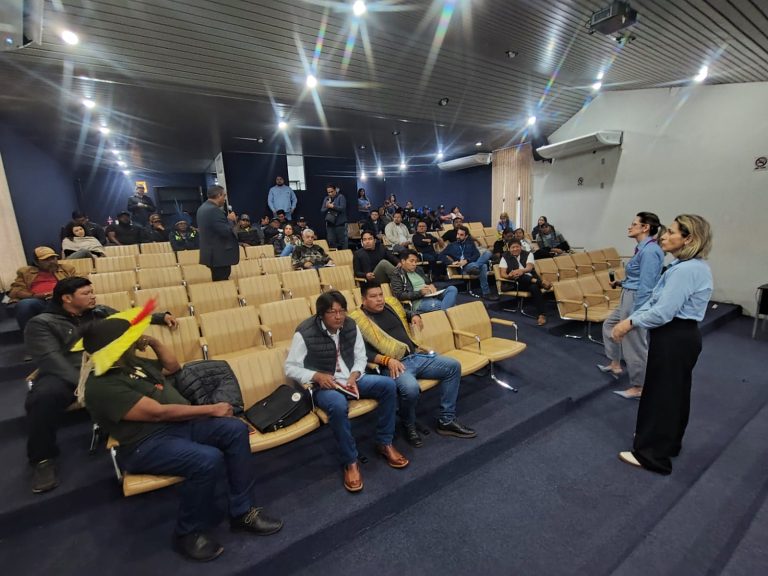
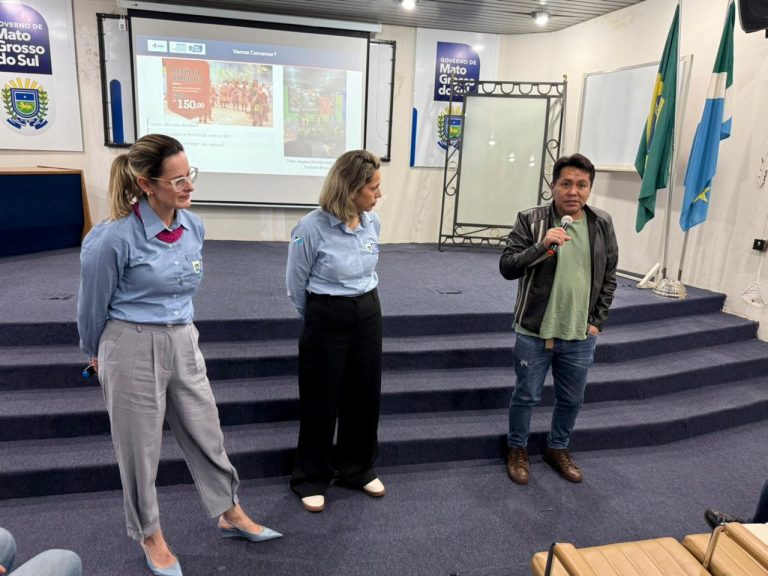
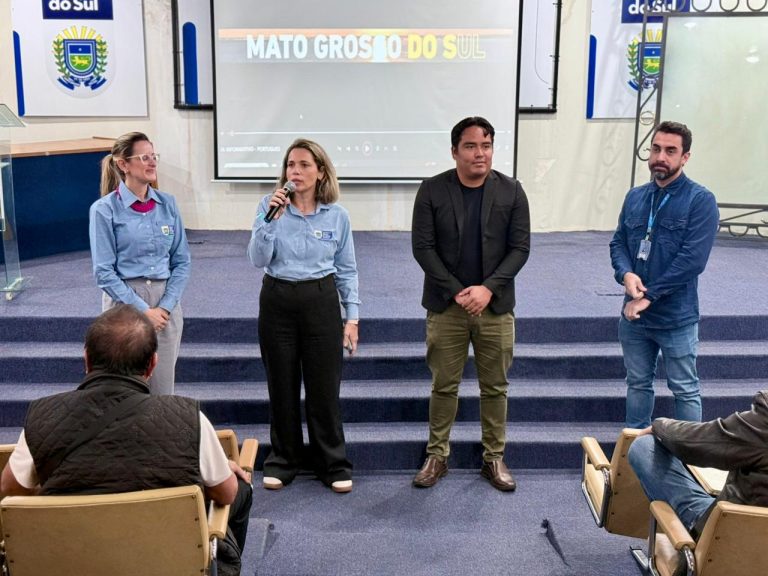
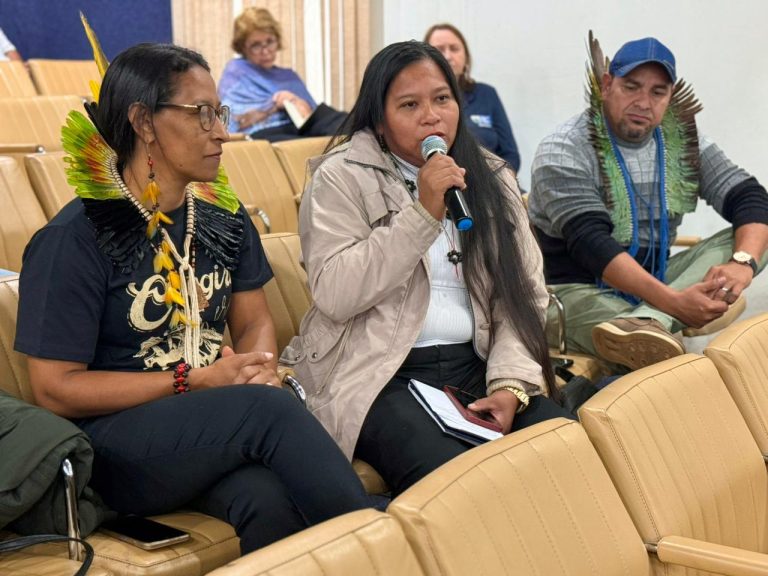
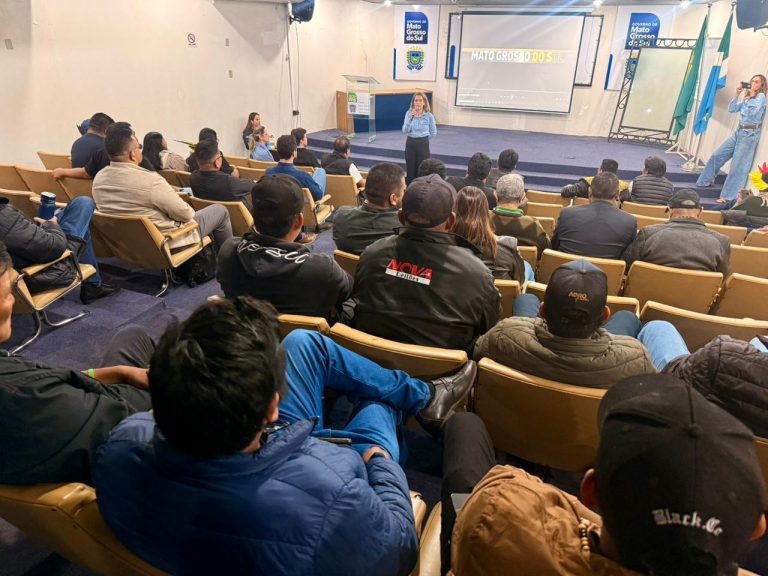
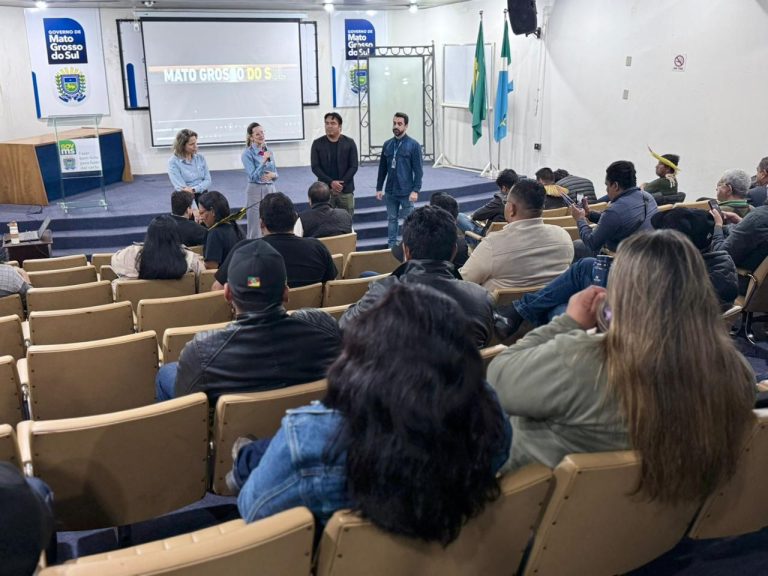
With the participation of approximately 60 representatives of six indigenous ethnic groups from Mato Grosso do Sul, the meeting “Voices of the Road – State Meeting on the Bioceanic Corridor and Indigenous Peoples” marked another stage in the participatory process of building the governance of the Capricorn Bioceanic Highway Corridor.
Organized by the State Government, through Semadesc (Ministry of Environment, Development, Science, Technology and Innovation), the event aimed to present the progress of the actions related to the Bioceanic Route and expand the dialogue with the indigenous communities potentially affected by the project.
Leaders and representatives of the Terena, Kadiwéu, Atikum, Guarani, Guarani Kaiowá and Kinikinau ethnic groups participated, as well as the Undersecretary of Public Policies for Indigenous Peoples of the SEC (Secretariat of Citizenship), Devanilson Paz.
During the meeting, June 29 was set as the deadline for each indigenous group to nominate their representatives to the permanent commission that will integrate the governance structure of the indigenous peoples linked to the Capricorn Corridor. This initiative is considered a pioneer among the subnational governments that are part of the Bioceanic Route.
The program included a presentation on the current status of the works and governance of the corridor, by the Special Advisor for the Integration of the Capricorn Biooceanic Corridor of Semadesc, Danniele Paiva. He highlighted the advanced state of construction of the binational bridge between Porto Murtinho and Carmelo Peralta, which is already over 90% complete, as well as the governance mechanisms that involve Brazil, Paraguay, Argentina and Chile in the construction of the South American integration corridor.
According to Karla Nadai, Executive Secretary of Family Farming, Indigenous Peoples and Traditional Communities of Semadesc, the main outcome of the meeting was to ensure a space for indigenous peoples themselves to present their perceptions, expectations and proposals related to the corridor.
“We wanted to present what is being built in relation to the Bioceanic Corridor, but mainly to listen to the indigenous peoples. And what we observed was a strong protagonism on the part of indigenous leaders. The State said little and listened a lot. It was an opportunity for them to present their expectations, concerns and suggestions on issues that directly impact their communities,” he said.
Karla stressed that the meeting exceeded expectations by bringing together leaders willing to actively participate in the debates on the future of the Bioceanic Route and its impact on indigenous territories. “The most positive thing was to see indigenous peoples talking about their own problems. It was not people outside the community who interpreted their demands, but the peoples themselves who presented their visions, needs and contributions. They did not come only to listen to what the State or the Union have to offer, but to propose routes and participate in the construction of solutions,” he emphasized.
The secretary explained that the meeting represented the first step towards the consolidation of a permanent forum for dialogue, which will continue in the coming years. Among the collectively agreed definitions is the format of representation of the different ethnicities on the commission that will oversee matters related to the corridor.
“This is the first of several meetings. We are creating a permanent space for participation, where debates can mature and generate concrete results for indigenous peoples. Beyond addressing the issue of the corridor, we are creating an opportunity to strengthen ties and listen actively, which will allow for the development of more effective public policies,” he added.
According to Danniele Paiva, special advisor for the integration of the Capricorn Bioceanic Corridor at Semadesc, the initiative reinforces the state government’s commitment to ensure that indigenous peoples participate in decisions related to regional development.
“With the aim of promoting the participation of indigenous peoples in relation to the impacts, challenges and opportunities of the Bioceanic Corridor, we brought together representatives of the ethnic groups directly affected by the route layout in Mato Grosso do Sul. The objective was to update information on infrastructure and governance, but mainly to listen to their aspirations and perspectives so that they can develop while preserving their culture and traditions,” he said.
According to her, the creation of a permanent communication channel will make it possible to share the demands presented by indigenous communities with other subnational governments that are part of the corridor, strengthening the construction of joint and effective actions throughout the area of influence of the Bioceanic Route.
The SEC’s Undersecretary for Public Policies for Indigenous Peoples, Devanilson Paz, stressed that “Voices of the Road arises from the understanding that indigenous peoples must be at the center of discussions on the Bioceanic Corridor. Before talking about impacts, we need to listen to those who live in the territories and know their realities. This meeting represents an important step to ensure that the demands, concerns and expectations of the indigenous communities of Mato Grosso do Sul are considered in the governance spaces of the route.”
The meeting is part of the work of the Technical Commission on Citizenship and Indigenous Peoples of the Forum of Subnational Governments of the Bioceanic Corridor, coordinated by Mato Grosso do Sul, and contributes to expanding social participation in one of the main initiatives of logistical, economic and cultural integration in South America.
Compartir:
