In the Media
The Bioceanic Route bridge has already become a tourist attraction even before it was completed
Monday June 29th, 2026
Tourists are already visiting the Paraguay River, and even cycling along the Paraguayan shore.
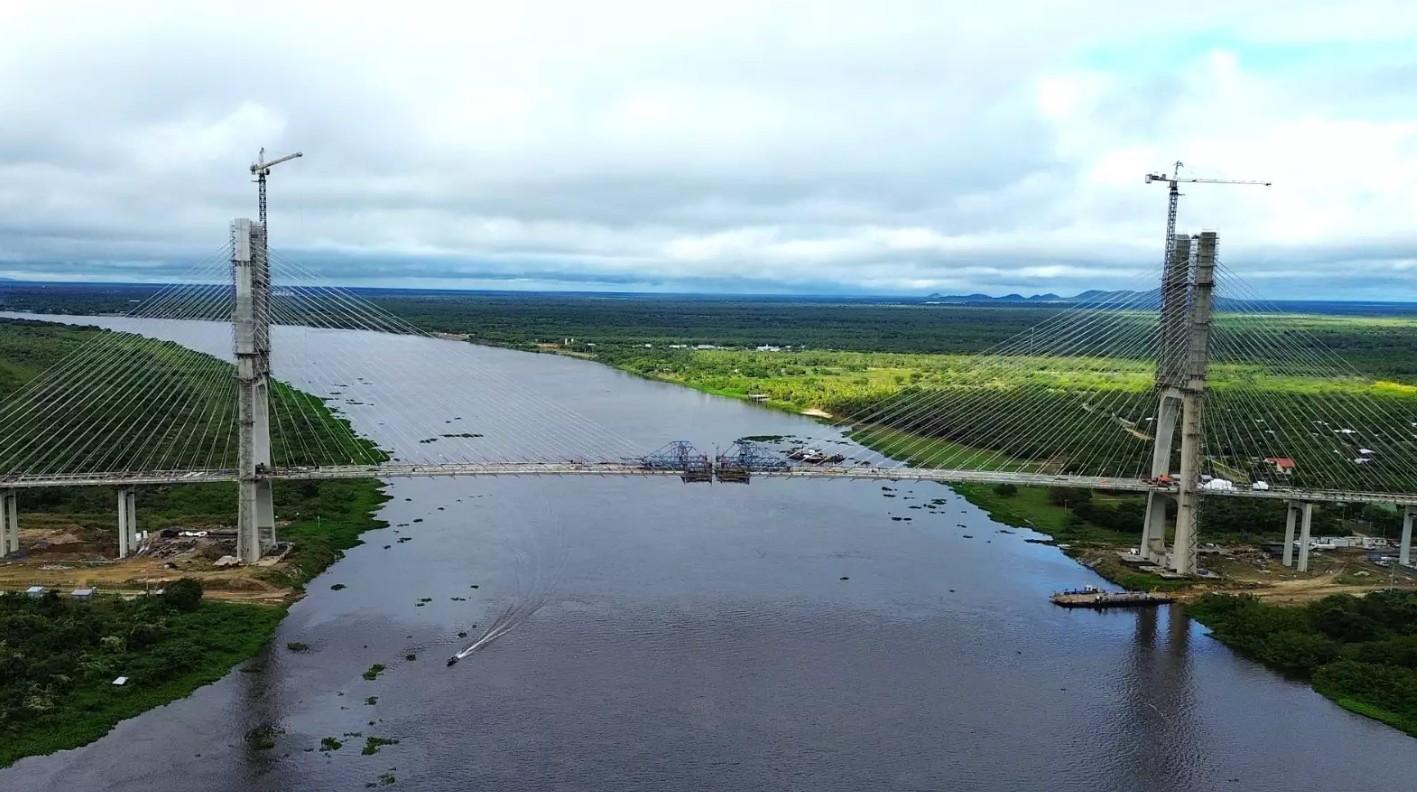
Before officially connecting Brazil with Paraguay by paved road, the Bioceanic Route bridge has already become a tourist attraction in Porto Murtinho, 439 km from Campo Grande. Construction on the Paraguay River, which will connect to Carmelo Peralta, is 90% complete, but it has already become a popular destination for visitors curious to see up close the structure that promises to transform commerce and tourism in Mato Grosso do Sul.
The person who put the bridge on the tourist map was the tourism expert Annice Dias, creator of the first tourism agency in Porto Murtinho. She already guides groups to continue the construction both on land and on the Paraguay River, in addition to working with new activities that are beginning to gain strength in the municipality, such as bicycle tourism, fishing events for women and couples, and contemplation of the river.
“The flow of visitors has already increased. I receive requests from Paraguay to Brazil, from Loma Plata and Filadelfia [German colonies in the Paraguayan Chaco] and Vallemí. Paraguayans like to come, above all, to Bonito. And now they are discovering other destinations such as Jardim, Bodoquena and even Campo Grande,” said Annice.
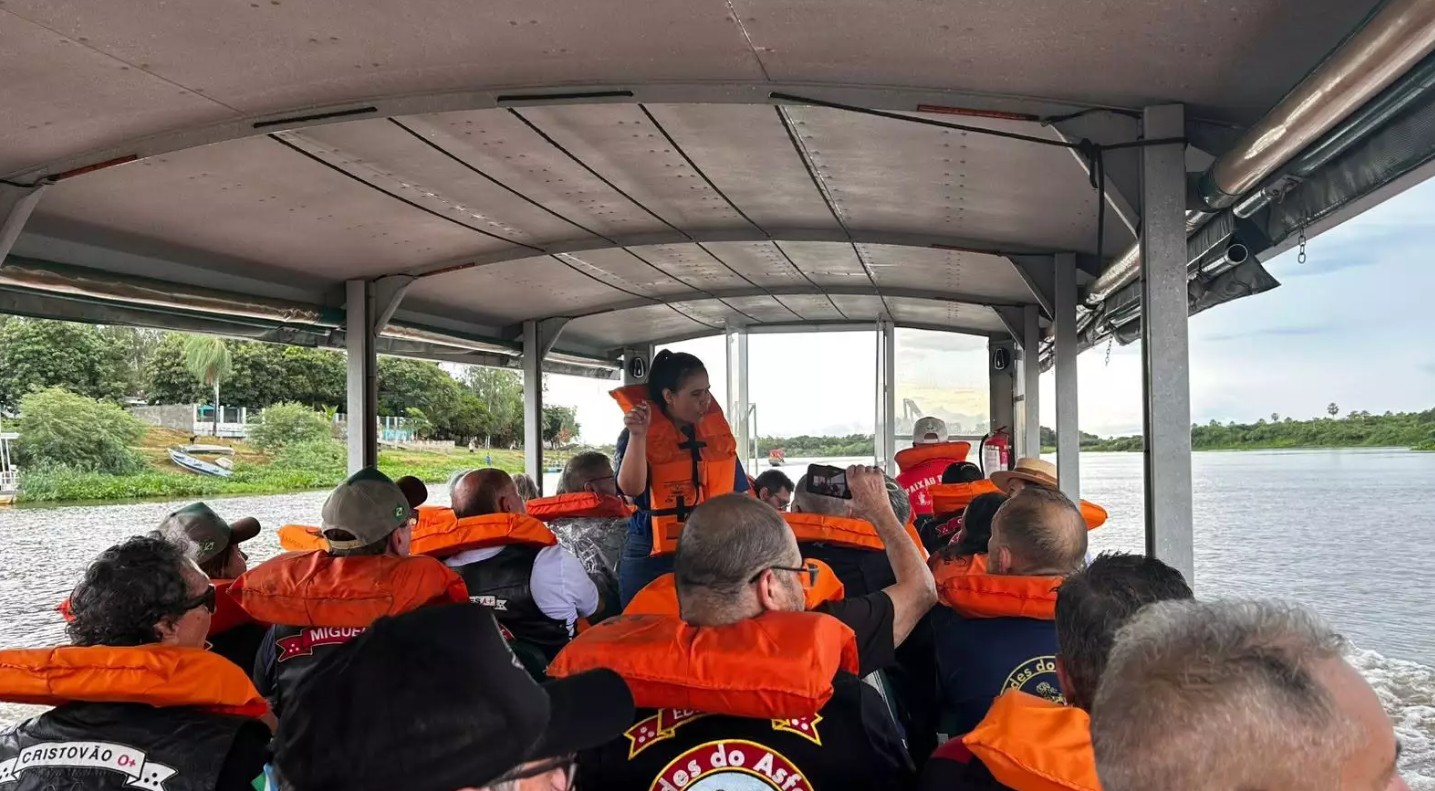
The businesswoman took advantage of the existing fishing infrastructure in Porto Murtinho to turn curiosity about the bridge into a tourist route. Boat trips to the construction site are offered and, for cyclists, a ferry that crosses to Carmelo Peralta, in Paraguay.
The bridge is part of the Capricorn Biooceanic Corridor, a 3900-kilometer road route that will connect the Atlantic and Pacific oceans, crossing Brazil, Paraguay, Argentina and Chile. The promise is to reduce the time it takes to transport goods between South America and Asia, but the first and most visible impact will be seen in tourism.
The government expects a 30% increase in tourist flow during the first year of operation of the road corridor and 70% from the second year. This estimate considers only road tourism, excluding any possible impact derived from the opening of new flights.
According to Bruno Wendling, CEO of Fundtur (Mato Grosso do Sul Tourism Foundation), the opening of new access roads often has a direct impact on the sector, especially when it facilitates connections between cities and tourist destinations. He believes that customs infrastructure will be a decisive factor after the completion of the long weekend, given that the trend points to more road tourism.
In the commercial sector, expectations revolve around a two-week reduction in travel time to Asia. According to Danniele Paiva, special advisor for the integration of the Bioceanic Corridor in Semadesc (Ministry of Environment, Development, Science, Technology and Innovation), the interest of companies to establish themselves in the region is already evident, but it depends on the resolution of customs procedures and the full operation of the corridor.
In Jardim, businessman Luiz Carlos Malacarne, from the fuel distribution sector, is also preparing for a new stage. For two years it has been carrying out refurbishments in the company’s building and says it is ready to expand the service by 30% if demand increases after the completion of the road construction.
Once completed, the Bioceanic Corridor will have road infrastructure that will connect the Port of Santos with the Chilean ports of Iquique and Antofagasta, as well as public and private port systems on the Pacific coast in Mejillones and Tocopilla.

Compartir:
