Activities
Meeting of National Coordinators of the Bioceanic Road Corridor
Countries of the Capricorn Bioceanic Corridor make progress in the modernization of border crossings
National authorities, subnational governments and international organizations analyzed successful experiences and agreed to promote a regional agenda to streamline border controls and strengthen logistics integration.
Brasilia, Brazil – May 18, 2026
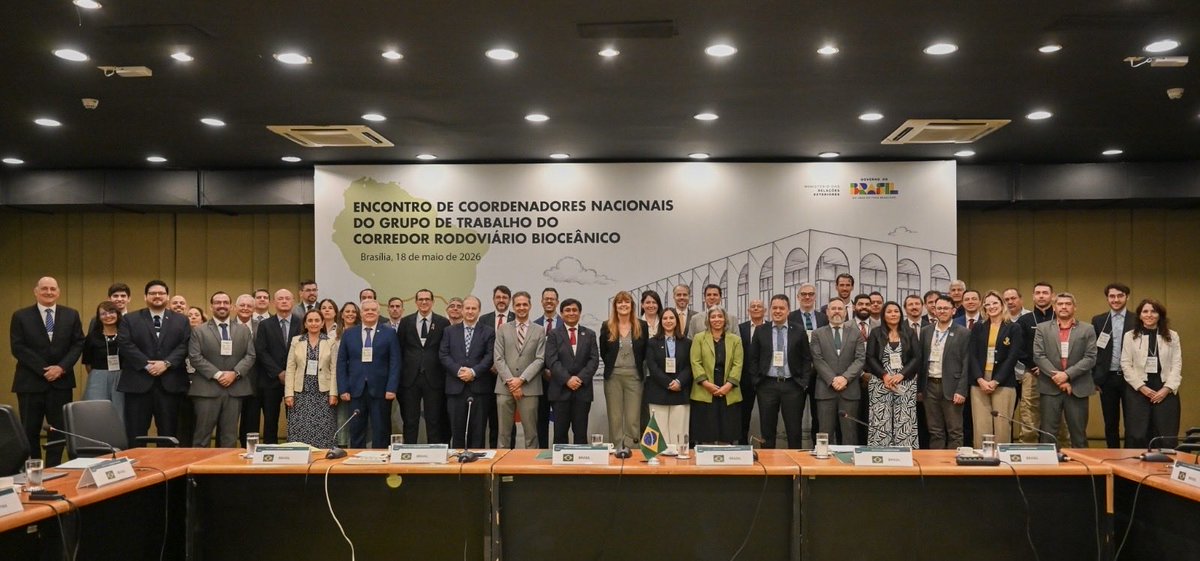
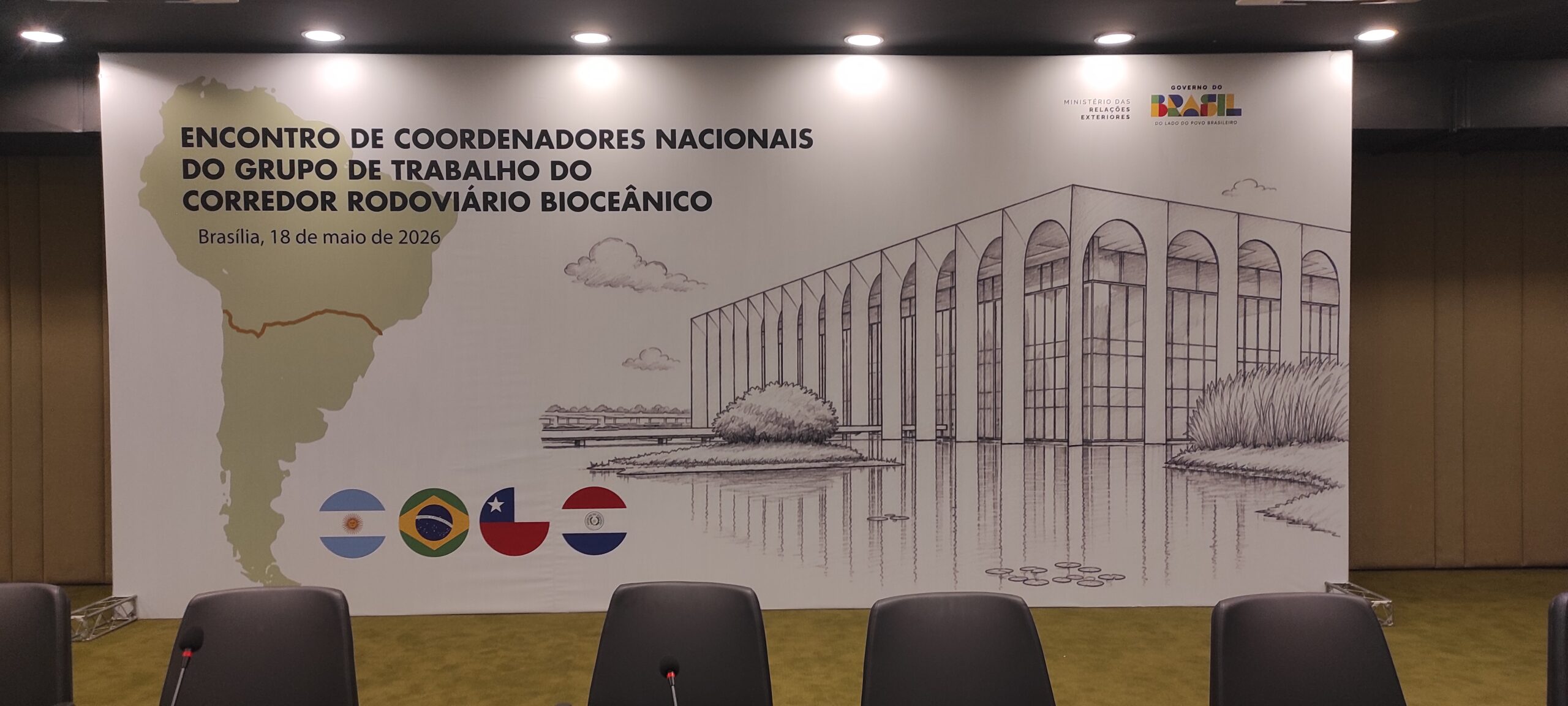
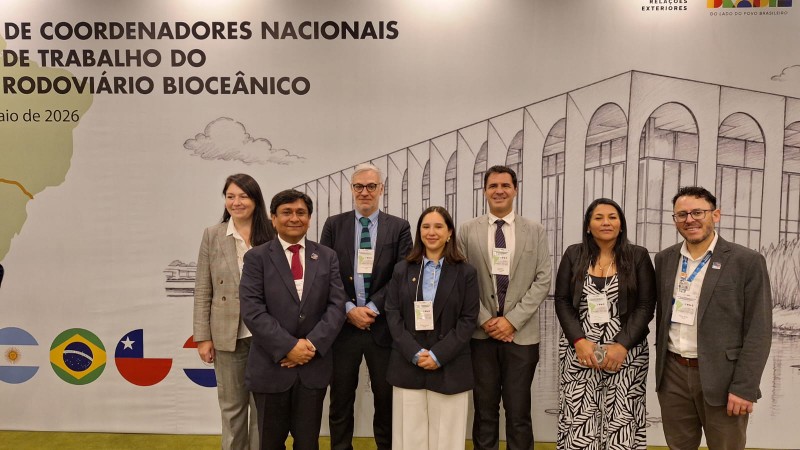
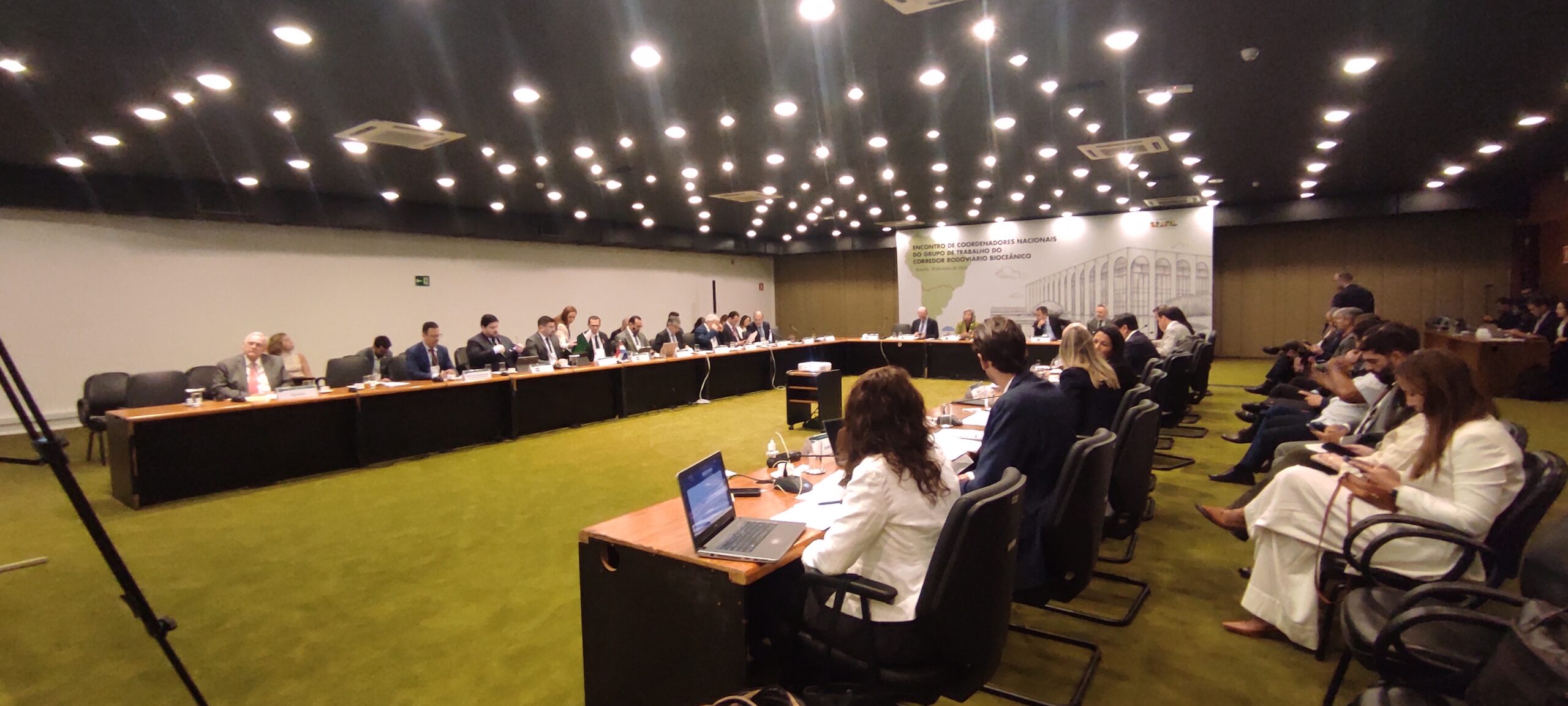
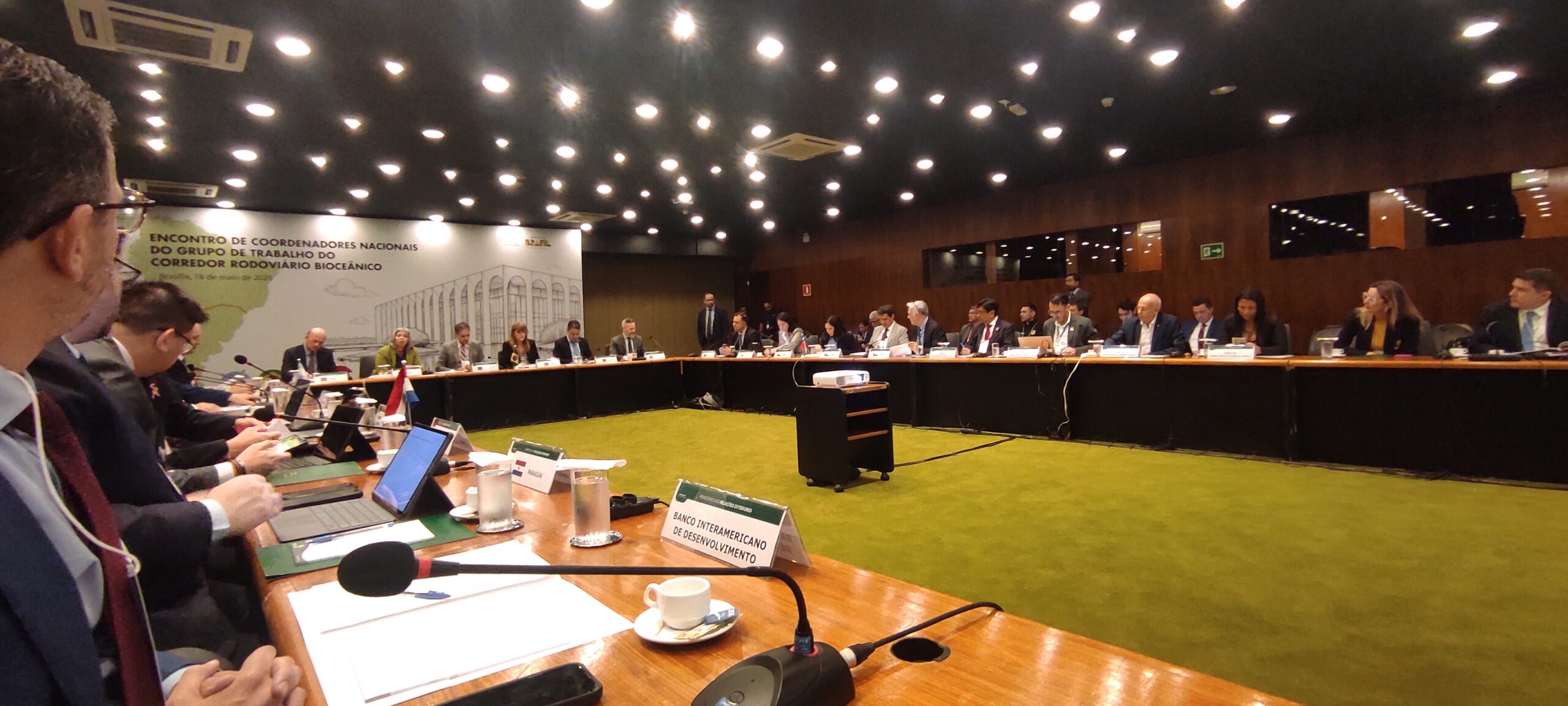
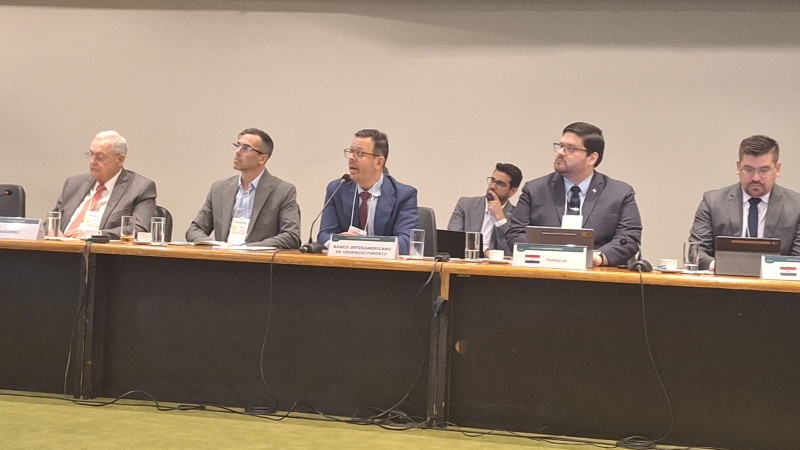
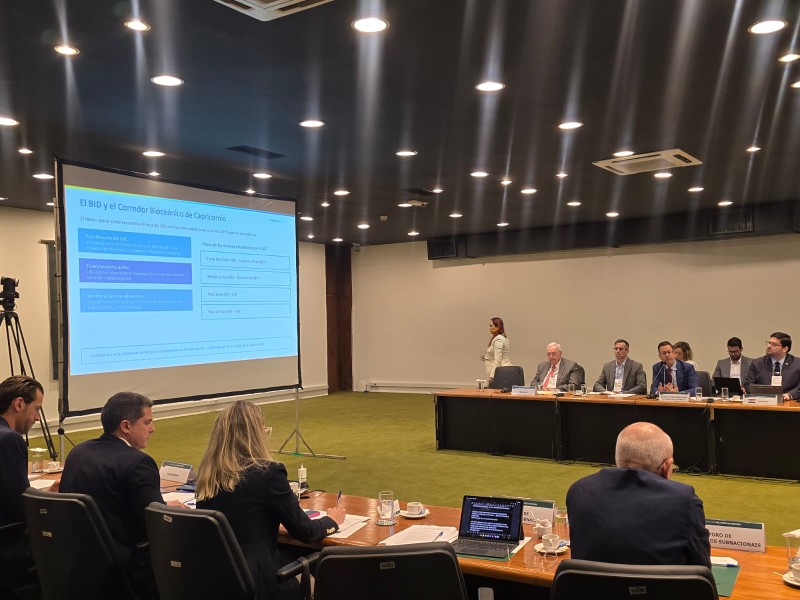
Representatives from Argentina, Brazil, Chile and Paraguay participated in Brasilia in the Meeting of the Bioceanic Road Corridor Working Group, an instance aimed at strengthening regional integration through the modernization of border controls and the improvement of cross-border logistics.
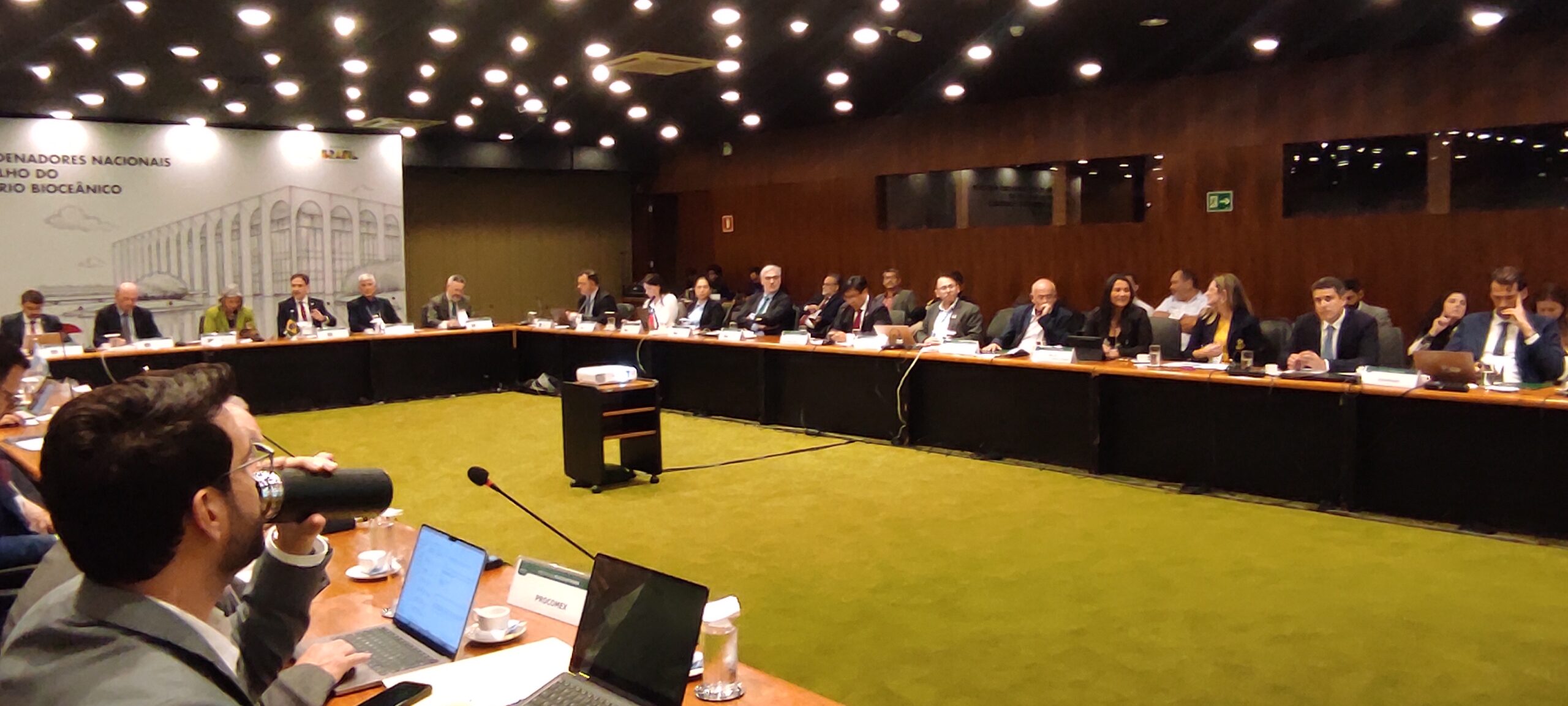
The meeting took place at the Itamaraty Palace, headquarters of the Ministry of Foreign Affairs of Brazil, under the theme “Modernization of Border Controls: Overview and New Trends”, and brought together national coordinators of the Bioceanic Corridor of Capricorn, representatives of subnational governments and specialists from international cooperation and financing organizations.
A corridor for regional development
During the opening, the authorities agreed that the Capricorn Bioceanic Corridor should be understood not only as a road infrastructure, but as a platform for economic development and regional integration.
The Secretary of Regional Integration of the Ministry of Foreign Affairs of Brazil, Ambassador Gisela Padovan, stressed that physical infrastructure must be complemented with actions aimed at improving border management, strengthening security, reducing logistical bottlenecks and advancing in the integration of customs processes.
For their part, the national coordinators of the four countries highlighted the need to deepen institutional coordination, promote technological interoperability and simplify control procedures to facilitate trade and mobility of people.
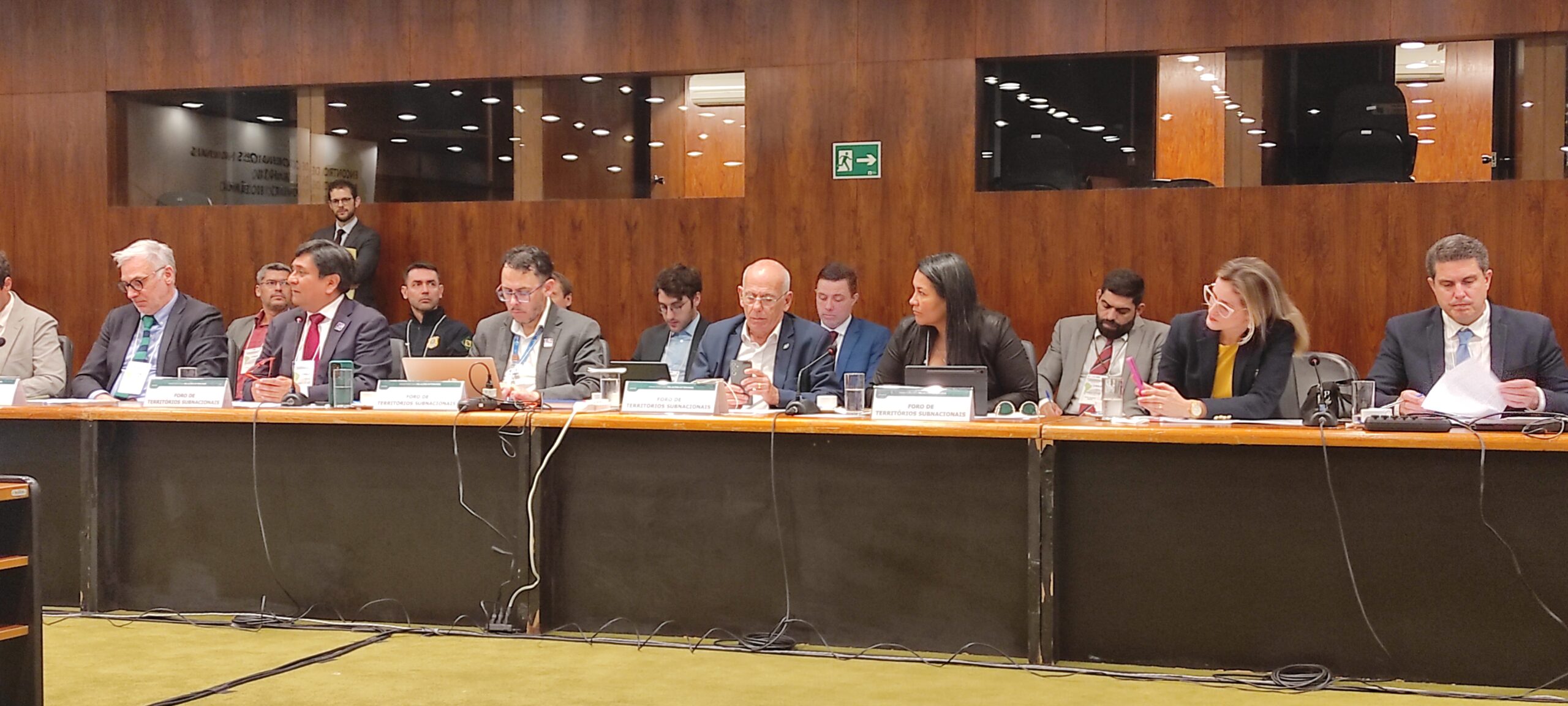
On behalf of the subnational governments, the Governor of Antofagasta and President Pro Tempore of the Forum of the Subnational Territories of the Bioceanic Corridor of Capricorn, Ricardo Díaz Cortés, stressed that the transformative potential of the corridor originates in the territories and depends on a more efficient and secure border integration. He also announced the holding of a series of thematic forums aimed at promoting concrete agreements in strategic areas for the development of the corridor.
International experiences for a more efficient border
One of the main axes of the meeting was the exchange of international experiences in the field of integrated border management.
Specialists from the World Bank, the Asian Infrastructure Investment Bank (AIIB), the Organization of American States (OAS), the Eurofront Program of the European Union, the Inter-American Development Bank (IDB) and the Procomex Institute shared good practices implemented in different international corridors.
Among the main learnings presented, the following stood out:
- The adoption of coordinated risk management systems to speed up the transit of goods.
- The advance exchange of cargo information between control bodies.
- The digitalisation of customs and migration procedures.
- Technological integration between national institutions.
- The strengthening of public-private cooperation in border management.
- The need to consolidate governance models capable of coordinating multiple actors and jurisdictions.
The international organizations agreed that the modernization of border crossings is one of the investments with the greatest impact to increase regional competitiveness and reduce logistics costs.
Progress and challenges in the corridor countries
During the second session, national delegations shared initiatives currently under development to improve security, trade facilitation and operational efficiency at border crossings.
Brazil presented experiences of coordination between control agencies and progress in the integration of control systems. Argentina presented actions aimed at strengthening security and border management in the national section of the corridor.
For its part, Chile shared the results of its integrated control models and simplified migration and customs control systems.
The delegations also held bilateral meetings to analyze specific challenges of the different border crossings and evaluate alternatives for improvement in procedures, infrastructure and institutional coordination.
Key findings
As a result of the meeting, the participants agreed on the need to move from isolated initiatives to structuring projects that allow the effective implementation of coordinated border management in the Capricorn Bioceanic Corridor.
The meeting reaffirmed the strategic nature of the Capricorn Bioceanic Corridor as a key initiative for the physical, economic and logistical integration of Argentina, Brazil, Chile and Paraguay, consolidating a common agenda aimed at facilitating trade, improving connectivity and generating new development opportunities for the territories involved.
Documentos Asociados



Compartir:
